Description
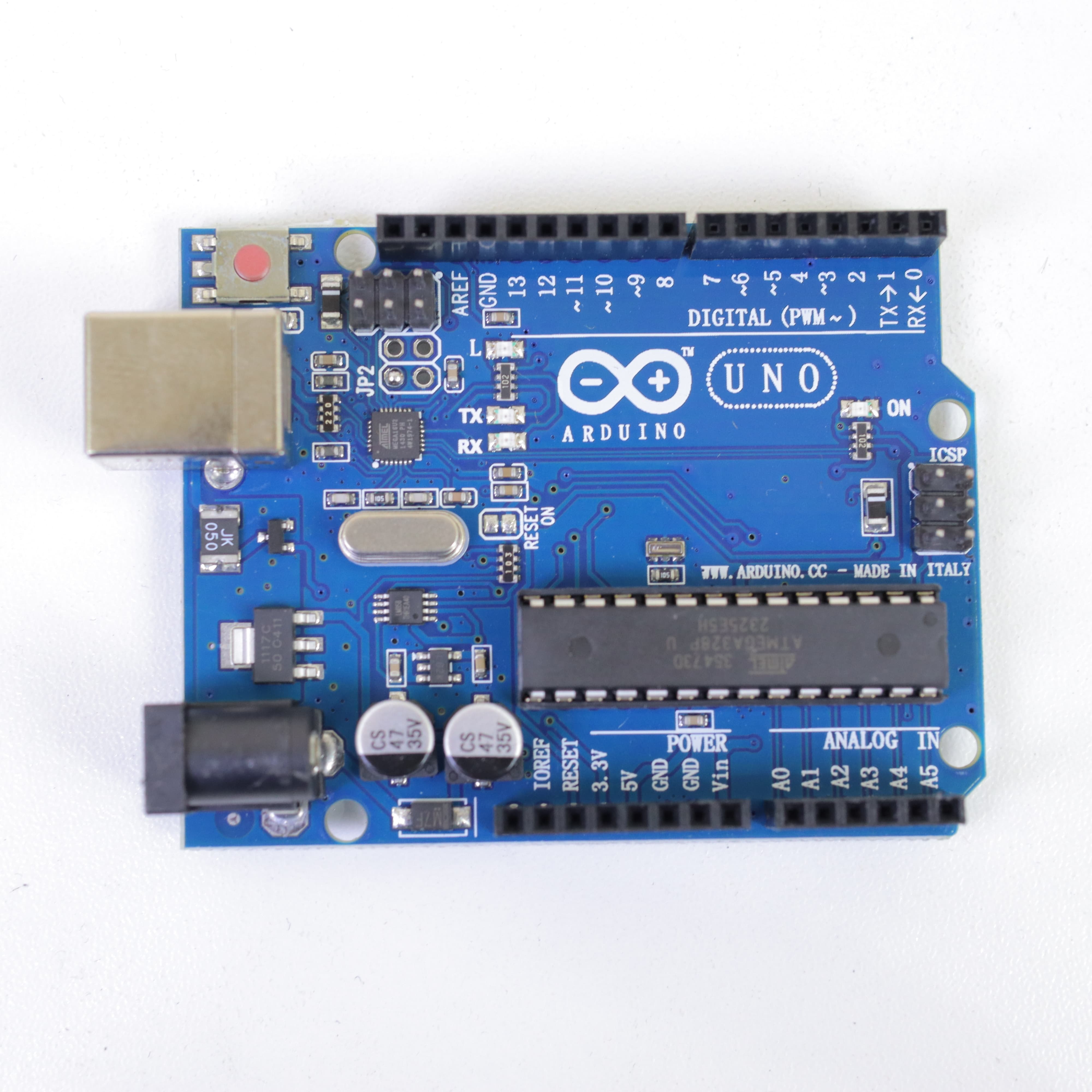
The Arduino Uno R3 is one of the most popular microcontroller boards used in electronics and programming education. It is based on the ATmega328P microcontroller and features a non-SMD (Through-Hole) version of the processor. This version is preferred by those who want to easily replace or troubleshoot the microcontroller as it uses standard pins instead of surface-mounted components. It offers an easy-to-use platform for building projects, with ample documentation and a large community supporting it. The Uno R3 also features multiple I/O options, communication protocols, and an integrated USB interface for programming and communication.
Specifications:
| Model | Arduino Uno R3 Non-SMD Processor |
| Microcontroller | ATmega328P (non-SMD version) |
| Operating Voltage | 5V |
| Input Voltage | 7-12V (via external power supply) |
| Digital I/O Pins | 14 (6 can be used as PWM outputs) |
| Analog Input Pins | 6 |
| DC Current per I/O Pin | 40mA (max) |
| Flash Memory | 32KB (2KB used by bootloader) |
| SRAM | 2KB |
| EEPROM | 1KB |
| Clock Speed | 16 MHz |
| USB-to-Serial Chip | ATmega16U2 |
| Dimensions | 68.6mm x 53.4mm |
| Weight | 25g |
| Operating Temperature | 0 to 70°C |
Key Features:
- Non-SMD Processor: The ATmega328P in the Arduino Uno R3 Non-SMD version uses through-hole pins, making it easier to replace and modify for advanced users or repair purposes.
- USB-to-Serial Interface: The built-in USB interface allows you to program and communicate with your computer through the Arduino IDE.
- Compact and Robust Design: Small and versatile, making it suitable for a wide range of projects, from beginners to advanced users.
- Wide Compatibility: Works with most Arduino libraries and shields, giving access to a broad ecosystem of components for building projects.
- Multiple I/O Pins: The board offers 14 digital pins, 6 analog pins, and supports multiple communication protocols like I2C and SPI, making it suitable for various sensors, motors, and communication devices.
- Reliable Power Supply: It can be powered via a USB cable or an external adapter (7-12V), offering flexibility for different types of projects.
- Easy to Program: The board is compatible with the Arduino IDE, which provides a simple programming environment for creating projects.
- Long-Term Availability: The Uno is a standard in the Arduino family, and its components are widely available and supported.
Application:
- Prototyping and Learning: Ideal for educational purposes, the Arduino Uno R3 Non-SMD helps beginners learn basic programming and electronics concepts.
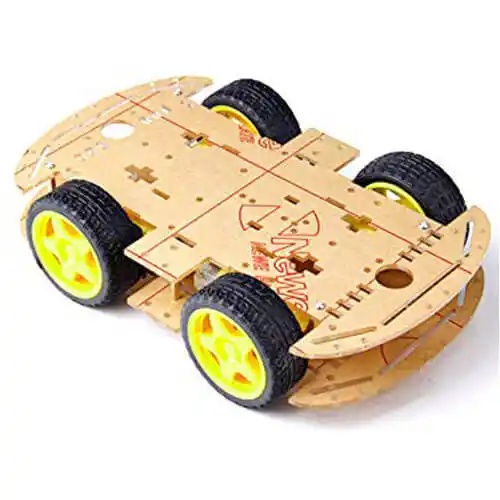
- Robotics: Used in robotics projects for controlling motors, sensors, and other actuators.
- Home Automation: Can be used for automating simple tasks such as controlling lights, security systems, and other devices.
- Internet of Things (IoT): By adding modules like Wi-Fi or Ethernet shields, the Arduino Uno can be used in IoT projects, connecting devices to the internet.
- DIY Electronics Projects: Suitable for a wide variety of personal electronics projects like temperature monitoring, data logging, alarms, and more.
- Sensor and Actuator Control: With analog and digital I/O pins, it can interface with a range of sensors (temperature, light, motion, etc.) and actuators (motors, servos, etc.).